Premixed samples are prepared with selected components to create consistent specimen properties for controlled examination. Synthetic urine can contain water with dissolved substances that influence measurable characteristics. These traits help create a defined reference for structured testing. Physical readings can be reviewed alongside chemical values during assessment. Fake pee can be described in terms of its composition and measurable characteristics without suggesting methods for avoiding testing procedures.
Sample Composition And Consistency
Premixed formulations contain selected substances within a prepared liquid base. Each component contributes to the overall composition of the specimen. Consistent proportions help create similar readings across separate portions. Laboratory assessment can record individual properties using established measurement procedures.
The concentration of dissolved substances can influence several measurable values. Density may change when the amount of dissolved material varies. Acidity can also reflect differences within the prepared mixture. Conductivity provides another numerical reading for assessing composition.

Physical Properties Under Testing
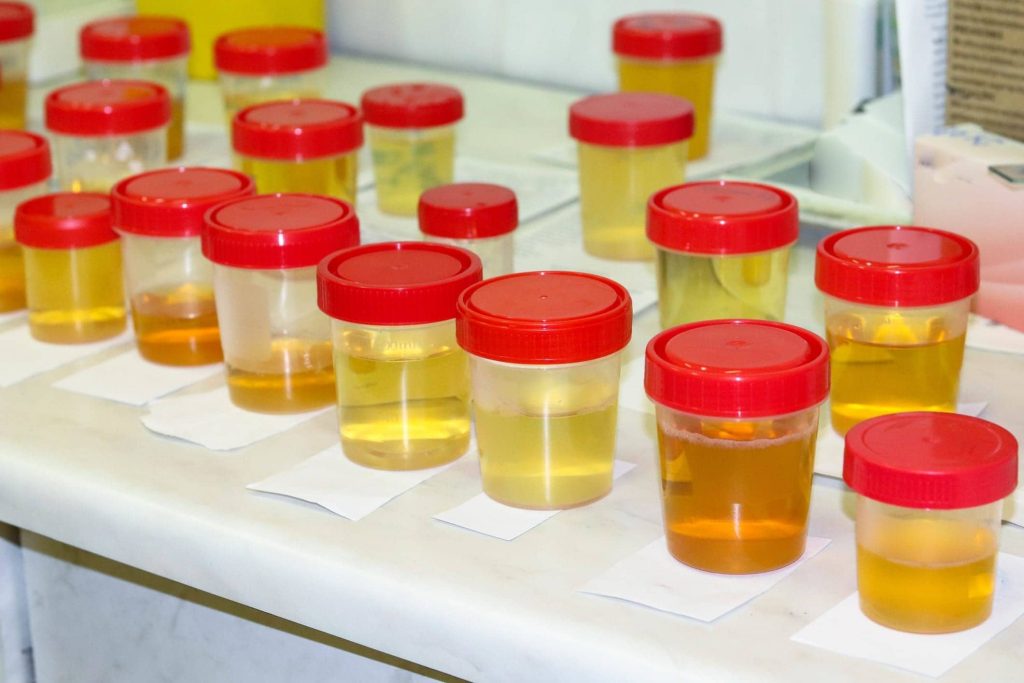
Physical inspection provides useful information before numerical measurements are reviewed. Color gives one visible reference for comparing prepared specimens. Clarity provides another indication of uniformity within each portion. Volume can also be measured to establish the quantity being examined.
- Consistent color creates a clear reference between prepared specimens.
- Uniform clarity makes visible differences easier to identify.
- Measured volume establishes the quantity used during examination.
- Similar appearance helps identify variation between separate portions.
- Visible consistency adds another reference for specimen assessment.
Chemical Measurements And Balance
Chemical readings provide numerical information about the prepared mixture. Acidity can be measured with suitable instruments during controlled examination. Conductivity provides another value linked to dissolved substances. Density offers additional information about the concentration within the specimen.
Fake pee refers to a prepared mixture with defined characteristics. Such descriptions can focus on measurable composition rather than intended application. Chemical balance is understood through several readings instead of one isolated value. Reviewing these readings together gives a broader picture of the sample.
Specific Gravity And Density
Specific gravity provides a numerical reference for examining the physical composition of a specimen. Density describes the relationship between the sample mass and its volume. Both measurements can help identify differences between separately prepared portions. Laboratory records can preserve these values for later comparison.
- Specific gravity gives a numerical reference for specimen composition.
- Density readings help compare separately prepared portions consistently.
- Repeated measurements reveal ordinary differences between examined samples.
- Similar values indicate comparable concentration across prepared portions.
- Numerical records make later comparisons easier during assessment.
Measurement Repeatability Across Samples
Repeatability matters when similar specimens undergo repeated examination. The same procedure can be applied to separate portions under comparable conditions. This approach helps identify normal variation between individual measurements. It also creates records that can be reviewed across separate assessments.
Repeated assessment can focus on one characteristic at a time. Density readings may be compared across different portions. Acidity values can be reviewed using the same measurement process. Physical observations can also be recorded with consistent descriptions.
Reference Records and Reporting
Clear documentation keeps specimen measurements organized for later review. Each portion can receive an identifier linked to its recorded results. Numerical values can be entered alongside relevant physical observations. Laboratory reporting can preserve these details in a consistent format.
Premixed specimens can be assessed through defined physical and chemical characteristics. Each measurement provides a separate piece of information about the prepared mixture. Repeated procedures make results easier to compare across portions. Clear records preserve the conditions linked with each reading. A structured assessment therefore provides a practical method for describing specimen properties without relying on assumptions about intended use.
FAQ
What properties are commonly measured during prepared specimen evaluations?
Density and acidity are common measurements during prepared specimen evaluations.
Why is density useful during controlled specimen composition assessments?
Density provides information about concentration within a prepared specimen.
How does repeatability improve comparisons between separately prepared specimens?
Repeatability allows measurements from separate specimens to remain consistently comparable.