

Laboratory supply rooms rarely stay the same for long. New containers arrive, labels change, and product lines continue expanding across different categories. While reviewing catalogs, Artificial urine may appear as one of several specialized laboratory reference materials alongside calibration solutions, collection containers, and testing accessories. Similar packaging can easily create confusion until the smaller details begin standing out through careful observation.
First Look at Packaging
Different manufacturers arrange product information in different ways. Some prefer large labels with detailed descriptions while others use compact designs that focus only on essential information. Even simple changes in layout create noticeable differences across product shelves.
Organized Storage Matters
Neatly arranged storage areas make routine inventory checks feel smoother. Containers grouped by size, category, or identification number become easier to locate without unnecessary searching. Consistent organization quietly improves the overall appearance of laboratory workspaces.
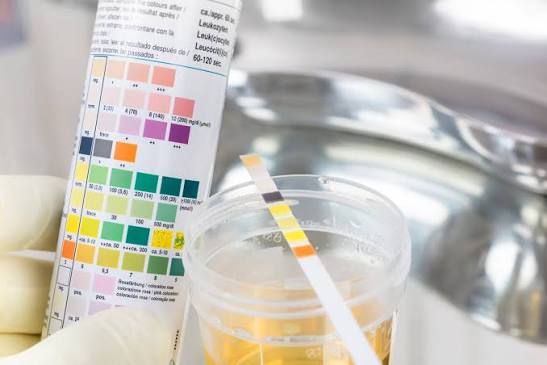
Quick observations
- Clear packaging creates a cleaner appearance across storage shelves.
- Product labels remain readable during routine inventory reviews.
- Sealed containers reduce unnecessary handling before intended use.
- Printed details support accurate product identification every day.
Reading Product Labels
Labels usually contain more than a product name. Manufacturing details storage recommendations, identification codes and handling guidance are commonly printed in different sections. Careful reading regularlyexposes information that is easy to overlook during a quick inspection.
Comparing Available Products
Catalog pages frequently display products that appear almost identical from a distance. A closer look reveals differences in container style, included accessories, documentation, and packaging materials. During these comparisons, Artificial urine may be listed alongside other laboratory reference products intended for specific research or educational purposes.
Here’s a different version of the table with new, general points:
| Feature | Common Observation | General Purpose |
| Appearance | Clear and consistent design | Easy visual identification |
| Seal Quality | Tamper-evident packaging | Secure product handling |
| Shelf Life | Expiration date displayed | Storage planning |
| Manufacturer Details | Company and batch information | Product verification |
| Package Contents | Different included components | Complete product overview |
Small differences gradually become easier to notice after comparing several product categories. Organized presentation usually makes every item easier to distinguish.
Accessories Inside Packages
Some product packages include measuring tools, printed documentation, or protective seals. Others contain only the primary container. Package contents vary depending on the intended laboratory application and manufacturer preferences.
Everyday Product Handling
Routine laboratory activities depend on careful organization before any work begins. Clean work surfaces, readable labels, and orderly storage shelves create a steady environment where products remain easy to locate. Familiar layouts reduce confusion and make daily inventory checks feel more consistent.
FAQ’s
Why do laboratory products use different packaging styles?
Manufacturers choose different package designs, labeling formats, and container shapes to suit their product lines.
What information usually appears on laboratory labels?
Labels commonly include identification numbers, storage guidance, handling details, and manufacturing information.
Why are accessories different between product packages?
Included components depend on the product category, manufacturer, and intended laboratory application.
Careful organization, readable documentation, and consistent labeling continue shaping how laboratory products are stored and identified. Small details rarely attract attention at first until now they often become the easiest features to recognize after spending time around a well-arranged workspace.