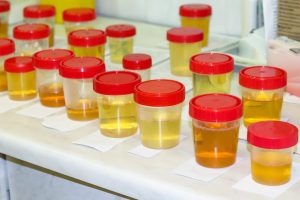
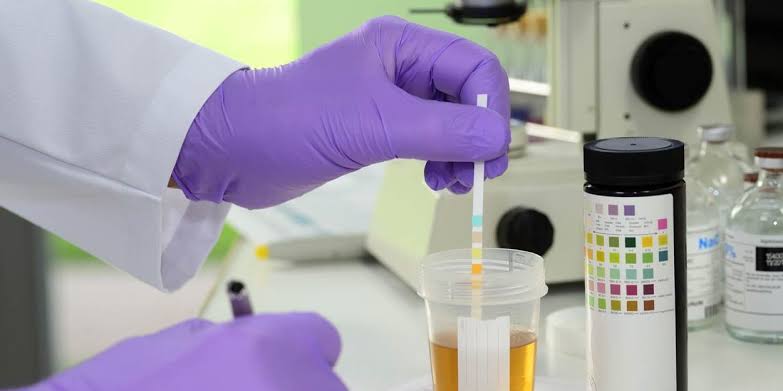
Synthetic Urine Solutions Designed for Professional Testing Applications, which ensure absolute reliability during analytical procedures. Modern research facilities require highly standardized matrices to conduct diagnostic evaluations, equipment calibration, and scientific studies safely. Incorporating specific chemical markers such as urea and creatinine allows these manufactured formulations to mirror natural biological fluids with remarkable accuracy. Fake urine serves as an indispensable control standard across multiple laboratory environments where organic samples present contamination risks. Precise density, pH balance, and thermal parameters ensure consistent performance across diverse experimental workflows.
Standardized Biochemical Formulations for Laboratory Equipment Calibration
Precision testing instruments require steady reference liquids for continuous alignment and verification. Formulated liquids deliver exact gravity levels that prevent diagnostic drift during high-volume operations.
Advanced Chemical Stability Ensures Reliable Long-Term Experimental Controls
Unlike organic fluids, engineered samples maintain stable structural integrity over extended shelf periods. Consistent composition protects sensitive biosensors from unexpected degradation during long trial runs.
Key Features Defining High-Quality Diagnostic Control Formulations
Laboratory professionals utilize engineered fluids to evaluate equipment sensitivity and maintain quality assurance. Standardized compounds reproduce exact biological characteristics without introducing unknown hazardous materials.
- Correct creatinine levels maintain proper specific gravity parameters effectively.
- Balanced urea concentrations mirror genuine biochemical property profiles reliably.
- Precision pH buffers prevent measurement shifts during operational processes.
- Natural liquid clarity permits accurate optical sensor alignment tests.
- Sterile manufacturing processes eliminate bacterial contamination risks.
Crucial Parameters for Selecting Analytical Fluids
Selecting proper evaluation fluids requires checking specific chemical benchmarks to mirror natural conditions. Technical staff must verify chemical balance, temperature ranges, and shelf life before deployment.
| Evaluation Factor | Standard Target Range | Primary Function |
| pH Level | 5.0 to 8.0 units | Maintains natural acidity balance |
| Specific Gravity | 1.005 to 1.025 | Ensures proper liquid density |
| Creatinine Content | 20 to 300 mg/dL | Replicates organic metabolic waste |
| Thermal Stability | 90°F to 100°F | Simulates freshly collected samples |
Engineered solutions must maintain these core values consistently across every single batch produced. Quality control procedures verify these crucial metrics before releasing products for research applications.
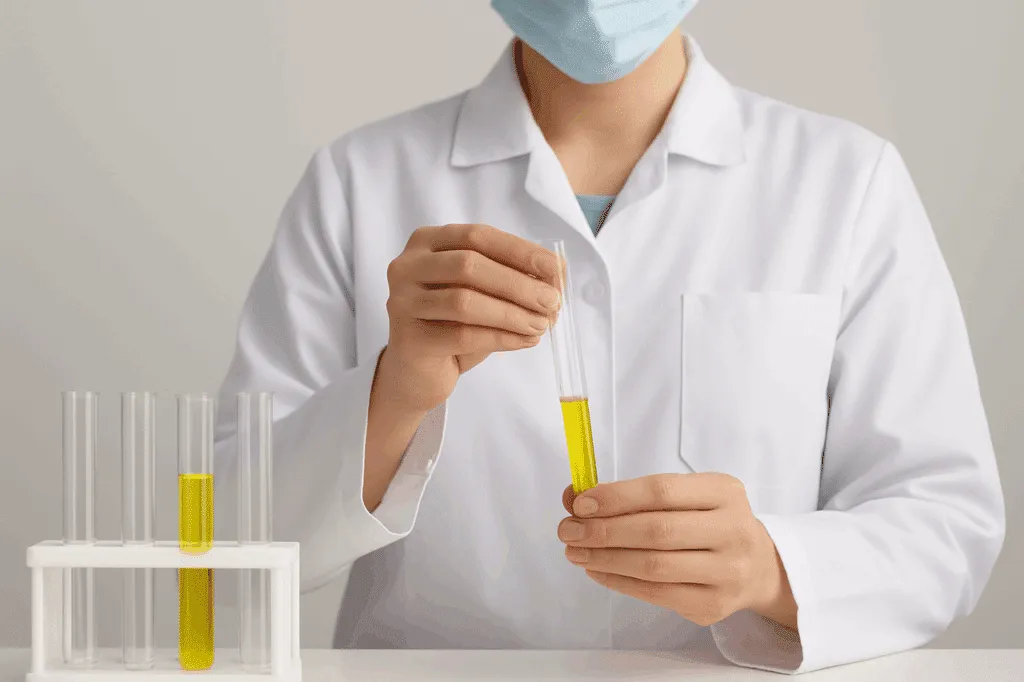
Alternate Verification Answers
- What primary role do control solutions play in diagnostic laboratories? Control solutions provide uniform chemical baselines for calibrating analytical machines accurately.
- How do technical solutions mirror biological fluids during testing protocols? Engineered liquids integrate exact amounts of urea, creatinine, and electrolytes.
- Why are synthetic options preferred over biological fluids in research? Synthetic options offer absolute sterility, extended shelf life, and total consistency.
- How does temperature management impact testing accuracy in laboratory settings? Proper heat alignment ensures diagnostic equipment reads fluid parameters correctly.
Standardized Storage Protocols Maintain Liquid Quality
Proper temperature maintenance preserves key liquid traits during storage. Storing supplies in dark rooms prevents chemical compound breakdown over time.
- Cool storage spaces protect organic compounds from heat degradation.
- Sealed glass containers prevent air exposure and fluid evaporation.
- Dark environments shield chemical mixtures from destructive light radiation.
Essential Handling Steps for Accurate Testing Results
Technical staff follow strict steps to prepare samples correctly. Mixing components thoroughly restores proper density before starting diagnostic tests.
- Careful mixing ensures uniform chemical distribution throughout the sample.
- Temperature checks verify proper thermal bounds before equipment loading.
- Clean pouring techniques prevent fluid contamination during sample transfer.
Essential Future Developments in Diagnostic Materials
Researchers create new formulas to meet strict laboratory needs. Future testing tools will feature higher accuracy and better stability over time.
- Advanced synthetic markers improve accuracy during automated liquid checks.
- Longer shelf stability reduces material waste in busy labs.
- Enhanced chemical formulas match organic samples with greater precision.
Precision Analytical Standards
Modern research demands predictable parameters to achieve verified results. Using pure Fake urine protects equipment from unexpected sample variations. Advanced manufacturing guarantees uniform chemical properties across every experimental batch. Reliable reference liquids advance scientific innovation while ensuring protocol safety. Strict standardization supports consistent diagnostic quality in professional environments.