
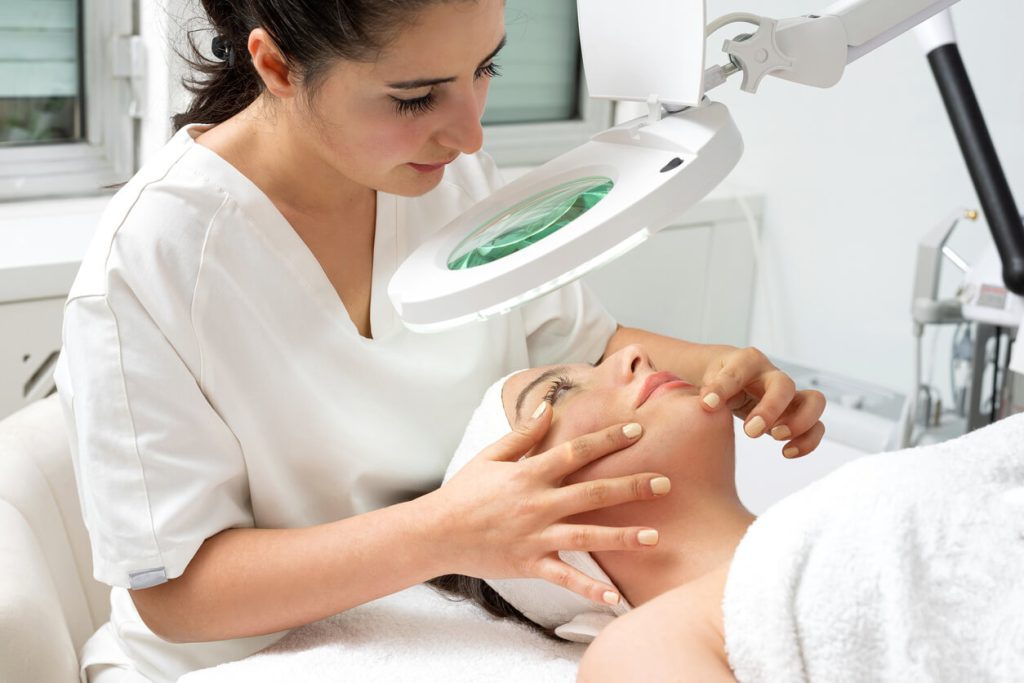
Psoriasis affects skin, well-being, and self-esteem, making it difficult to live with. Many people resort to https://matsudermatology.com/ for trustworthy information and competent care. Dermatology clinics diagnose, treat, and manage this chronic illness, providing more than momentary relief. These clinics treat physical and mental health concerns with experienced doctors and evidence-based practices. Understanding their importance helps patients make informed decisions and start successful therapy early.
Understanding Psoriasis’ Effects
Psoriasis, an autoimmune illness, causes red, scaly spots on the body due to fast skin cell turnover. Patients often endure itching, burning, and pain in addition to plaques, disrupting sleep, work, and social life. The unpredictability of flare-ups causes worry and melancholy. Dermatologists investigate skin involvement and possible triggers such stress, infections, and drugs. Dermatologists can detect plaque, guttate, inverse, or pustular psoriasis and comorbidities such psoriatic arthritis, which requires integrated care, by analyzing patterns.
Complete Diagnostics
Successful psoriasis care starts with accurate diagnosis. The dermatologist obtains a complete medical history, including family history, lifestyle, and treatments, at the initial appointment. Physical exam examines lesion distribution, thickness, and severity. In unclear cases, a tiny skin biopsy confirms the diagnosis. Parakeratosis and rete ridge elongation are found in biopsy results. Blood testing for inflammatory markers can also indicate systemic involvement. These extensive diagnostics match therapy approaches to the patient’s illness subtype and health.
Advanced Treatments
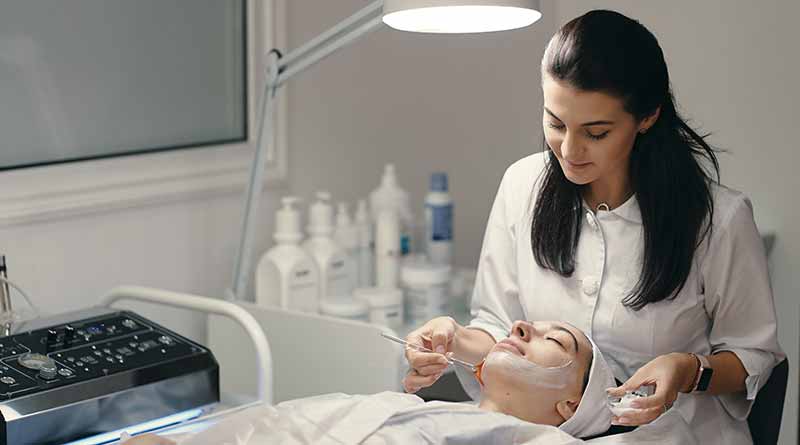
Innovative molecular psoriasis treatments have been added to dermatological clinics in recent years. In moderate to severe cases, biologic treatments that inhibit tumor necrosis factor-alpha or interleukin-17 reduce symptoms significantly. Another effective way to reduce aberrant cell proliferation is phototherapy with UVB or PUVA. Laser treatments improve plaque thickness and pain at some facilities. These advanced choices need close monitoring for side effects and response modifications. Dermatologists help patients choose treatments that match goals and risk tolerance.
Support and Management continue
Lifelong psoriasis requires monitoring and modifications. Regular follow-up visits to evaluate treatment efficacy and adjust plans help dermatology clinics provide continuous care. Stress management, diet, and smoking cessation are taught to patients to reduce flare-ups. When anxiety or sadness arise, clinics send patients to counselors or support groups. Open communication and educational resources help dermatologists engage patients in their care, promoting resilience and increasing quality of life throughout the disease course.
Dermatology clinics provide skilled diagnosis, individualized treatments, and ongoing support for excellent psoriasis management. Their multimodal approach combines innovative medicines with patient education to provide personalized care. Patients can avoid flare-ups and stay healthy by trusting skin care professionals. The experts at https://matsudermatology.com/ can help you achieve better skin with tailored treatment plans and ongoing support.